

Retail loss prevention security is not simply about stopping a suspected shoplifter at the door. For retailers, it is a practical operating discipline that protects stock, colleagues, customers and trading continuity. When losses rise, the impact reaches far beyond the value of missing items: staff confidence can fall, customer experience can suffer and management time is diverted into investigations and recovery.
The most effective arrangements combine visible, professional people with well-managed technology and clear procedures. That balance matters. Cameras alone cannot reassure a colleague facing abuse, while a security officer without the right intelligence may spend time in the wrong part of the store. A coordinated approach helps retailers prevent incidents where possible and respond confidently when they occur.
Why retail loss has become an operational risk
Retail crime takes several forms. External theft remains a central concern, particularly where organised offenders target high-value, easily resold stock. Some stores also face anti-social behaviour, intimidation, vandalism, fraudulent returns and attempted unauthorised access to stockrooms, delivery areas or offices.
Internal loss requires equal attention. Process gaps, weak access control, poor stock handling and, in some cases, dishonest activity can create loss that is harder to identify than an isolated theft on the shop floor. This is why a loss prevention plan should not rely on assumptions about where risk originates. It should be based on the layout, stock profile, trading hours, local environment and incident history of each site.
For multi-site operators, inconsistency is often the real weakness. One branch may have excellent reporting and clear escalation procedures, while another has limited security visibility or no defined response to an alarm activation. Standardising the essential controls while adapting deployment to each location gives decision-makers clearer oversight and more reliable outcomes.
What effective retail loss prevention security looks like
A strong programme starts with a site-specific risk assessment. This should consider vulnerable entrances and exits, sightlines across the sales floor, blind spots, staff-only areas, delivery arrangements, cash handling and the times when incidents are most likely to occur. It should also examine what happens after an incident: who is contacted, how evidence is preserved and whether staff know when to disengage and seek support.
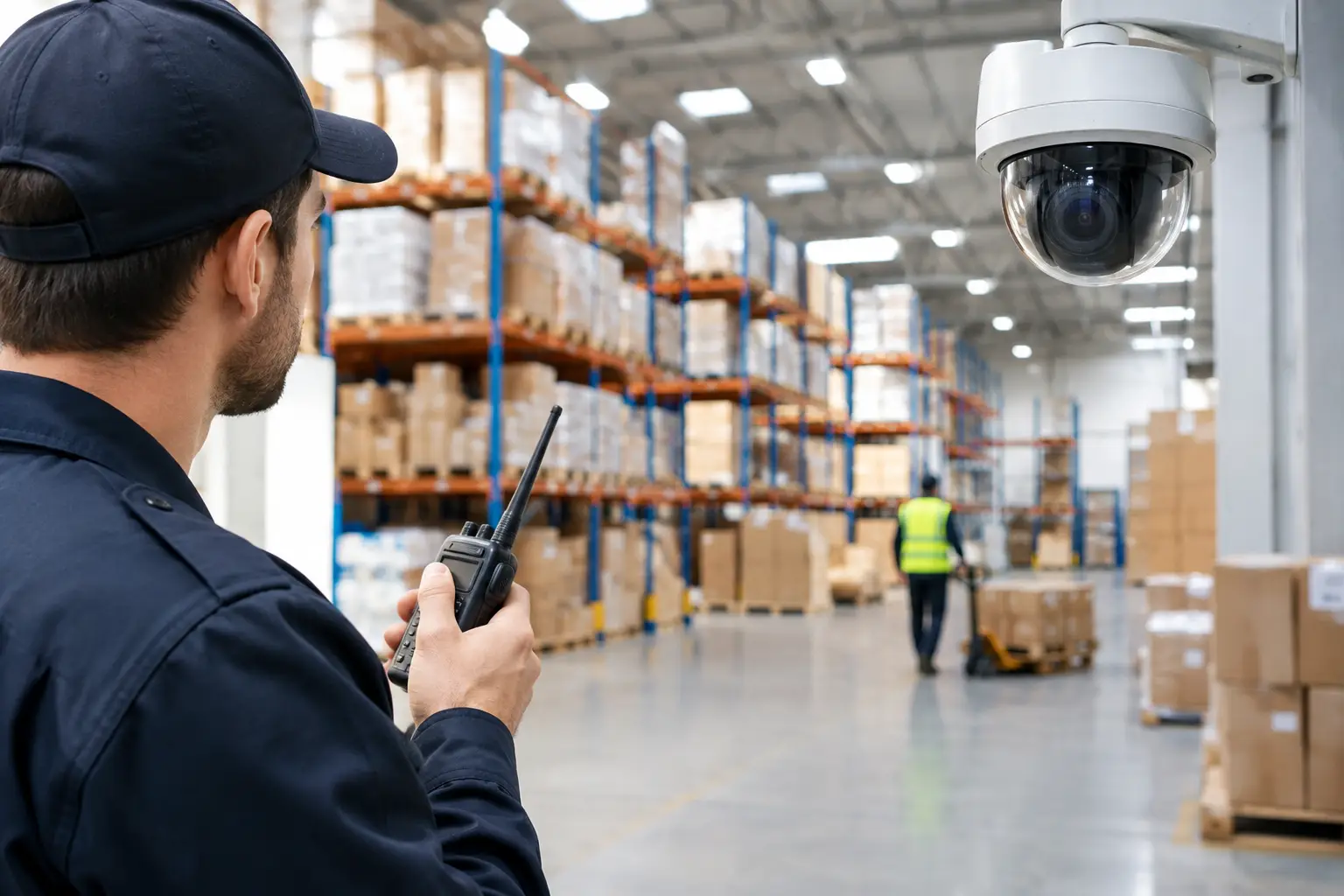
Visible manned guarding can be a powerful deterrent, especially in stores with frequent incidents, high-value products or a history of violence and abuse towards colleagues. A trained officer provides more than a physical presence. They can monitor behaviour, carry out patrols, support store teams, manage access points and respond proportionately to developing situations.
The officer’s manner matters as much as their visibility. Retail security must protect the premises without creating an unwelcoming environment for genuine customers. Professional personnel understand the difference between attentive observation and unnecessary confrontation. They communicate clearly, follow agreed procedures and work with the store team rather than operating separately from it.
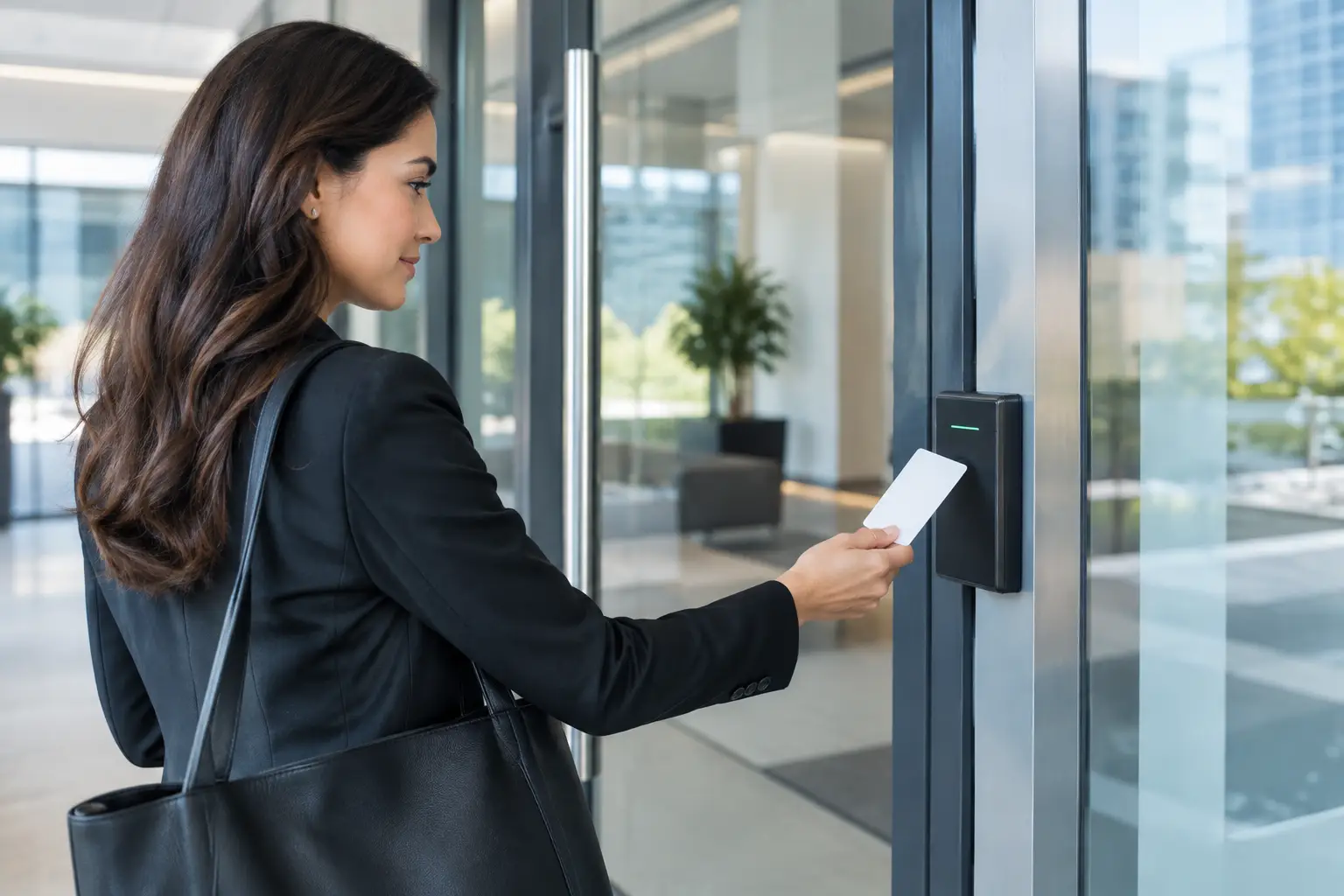
Technology strengthens this on-site role. CCTV, electronic article surveillance, intruder alarms, access control and body-worn cameras can all support prevention and evidence gathering when specified and managed correctly. The right mix depends on the site. A small convenience location may need reliable alarm response and improved coverage at entrances, whereas a large retail park unit may require patrols, controlled service access and a visible officer during peak trading.
Prevention begins with smarter store operations
Security provision is most valuable when it supports everyday discipline. Clear merchandising standards, regular stock checks and sensible positioning of high-risk products reduce opportunity without making a store difficult to shop. High-value lines may require secure display units or placement within staffed sightlines. Receiving areas should have defined delivery procedures, with access restricted to authorised personnel.
Store teams also need a straightforward way to report concerns. A pattern of low-level incidents, suspicious activity around a particular fixture or repeated attempts to enter a back-of-house area can reveal a larger issue before a significant loss occurs. Good incident reporting turns individual observations into useful operational intelligence.
Training should focus on confidence and safety, not turning every colleague into a security officer. Staff should know how to recognise concerning behaviour, protect themselves and customers, preserve evidence and call for assistance. They should also understand the limits of their role. Pursuing an offender or escalating a volatile situation may create a greater risk than the loss of goods.
Clear escalation protects people first
The safety of colleagues and customers must guide every response. Security officers should work to documented escalation arrangements that set out how to request police attendance, when to involve centre management or a duty manager, and how to record the event. This creates accountability after an incident and helps identify repeat offenders or recurring weaknesses.
For stores operating alone, late into the evening or in areas with elevated risk, mobile patrols and key holding can provide valuable additional support. A nominated response service reduces the pressure on store managers when an alarm activates out of hours, while ensuring that premises are checked and secured by trained personnel.
Using data without losing sight of the store
Loss prevention data is useful only when it leads to practical action. Retailers should review incident reports alongside shrinkage figures, alarm activations, stock discrepancies and feedback from store teams. Trends can indicate whether a problem is linked to a particular day, product range, entrance, delivery process or period of low staffing.
This does not mean every store needs the same level of security. A permanent officer may be justified at a high-footfall flagship store with regular incidents, while targeted guarding at peak times may be more appropriate for another location. Some sites benefit most from improved access control and out-of-hours response. The objective is proportionate protection that addresses the real exposure, rather than a generic package.
Regular reviews are essential because retail risk changes. Seasonal trading, promotional events, changes in local crime patterns, refurbishment works and altered store layouts can all affect vulnerability. A security partner should be able to adjust officer duties, patrol frequencies and technical measures as circumstances change.
Choosing a security partner for retail premises
Retail decision-makers should look beyond a basic guarding rate. The key question is whether the provider can take responsibility for the full operational picture: prevention, surveillance, access management, incident handling and reporting.
Experience in customer-facing environments is particularly important. Officers need to represent the retailer professionally, remain alert throughout long trading periods and deal calmly with people under pressure. They must be supported by effective supervision, clear assignment instructions and a reliable route for escalation when an incident exceeds the scope of site staff.
It is also worth considering how security coverage fits across an estate. A provider able to coordinate manned guarding, mobile response, key holding, concierge duties and technical support can reduce handovers between suppliers. That can make reporting clearer and provide a more consistent standard across stores, warehouses and vacant or changing premises.
Chevron Security develops tailored programmes that bring trained personnel and technology-enabled protection into one managed service. For retailers, this means security can be shaped around the realities of each location while retaining accountable oversight across the wider portfolio.
A well-run retail security arrangement should feel present but not intrusive: colleagues know who to call, customers can shop with confidence and managers have clear information on what is happening at their premises. Starting with an honest assessment of risk gives every subsequent decision - from guarding hours to camera placement - a stronger foundation.