
A reception desk, an occupied construction site and a busy licensed event may all need a visible security presence, but they do not necessarily need the same licence, training or operating approach. When comparing security officers versus door supervisors, the right choice depends on the environment, the anticipated risks and the duties the individual will be expected to perform.
For facilities and operations managers, this is more than a staffing decision. Deploying appropriately licensed personnel supports compliance, protects people and property, and gives teams a clearer route for managing incidents before they interrupt normal operations.
Security officers versus door supervisors: the core difference
In UK security provision, the distinction is principally set by Security Industry Authority (SIA) licensing. A security officer is commonly used to describe an officer working under an SIA Security Guard licence. A door supervisor holds an SIA Door Supervisor licence, designed for roles involving the management of entry, public-facing environments and potential disorder.
Both roles can provide reassurance, deter unwanted behaviour, monitor access and report incidents. Neither should be viewed as a higher or lower version of the other. They are specialist roles suited to different operating conditions.
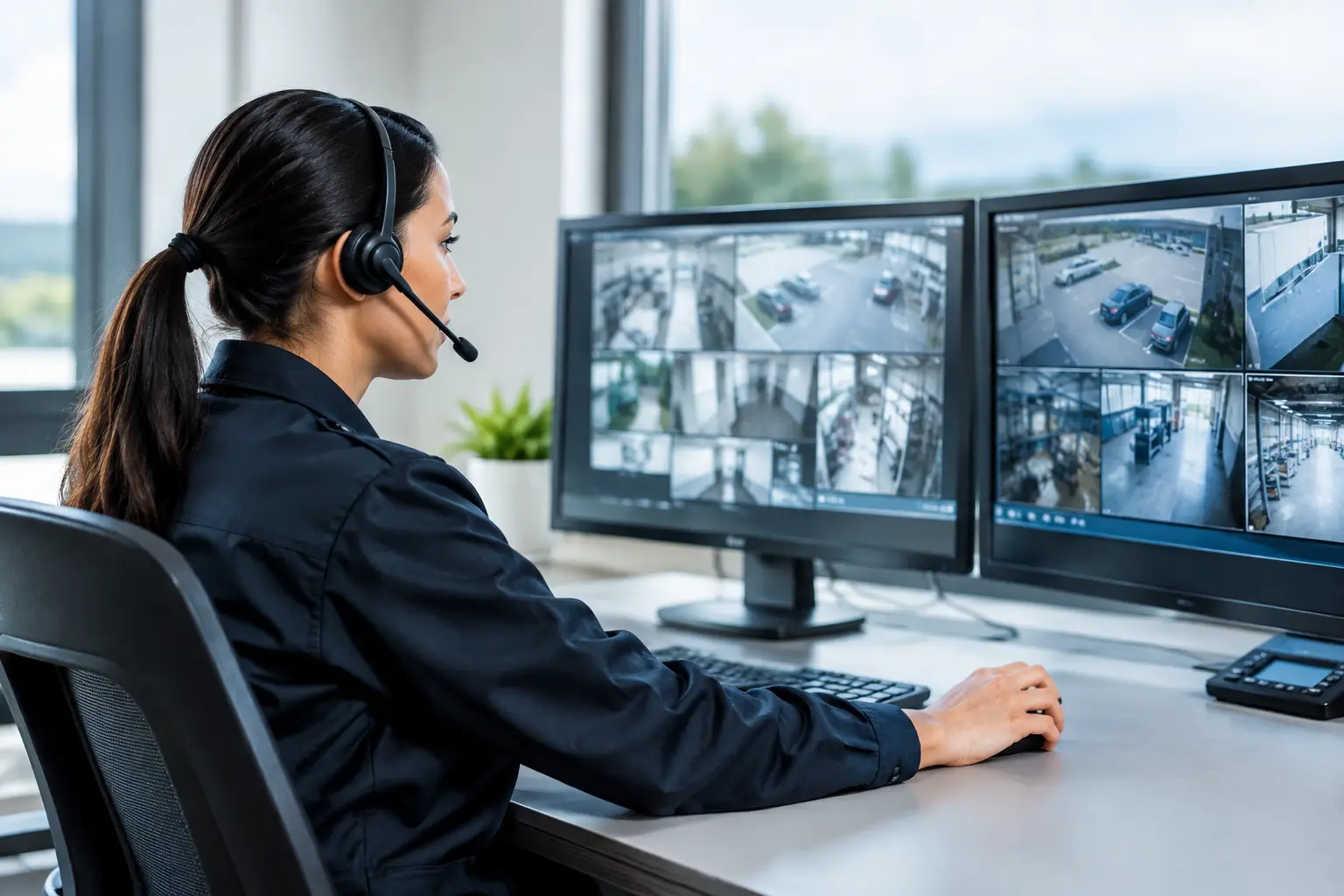
A Security Guard licence is generally appropriate for static guarding at commercial premises, industrial estates, warehouses, construction projects, vacant properties and corporate sites. Duties may include patrols, visitor management, CCTV observation, access control, fire and safety checks, alarm response procedures and detailed incident reporting.
A Door Supervisor licence is required where personnel undertake door supervision activities at licensed premises. It is also commonly the appropriate choice for event entrances, hospitality venues, stadiums, public-facing functions and locations where crowd management or physical intervention may be a realistic requirement.
What a security officer is there to do
A professional security officer provides a dependable, visible presence focused on prevention and site control. Their work is often integrated into the daily operation of a building or estate, rather than confined to a single entrance.
At a commercial office, for example, an officer may manage contractor sign-in, challenge unauthorised visitors, monitor cameras, respond to access alarms and carry out opening or locking-down procedures. At a construction site, the priority may shift towards perimeter patrols, material protection, vehicle checks and preventing trespass or theft outside normal working hours.
The role can also be customer-facing. Concierge security officers are frequently positioned in reception areas where they must balance security awareness with a calm, professional welcome. They represent the building while maintaining control over who enters and how visitors are managed.
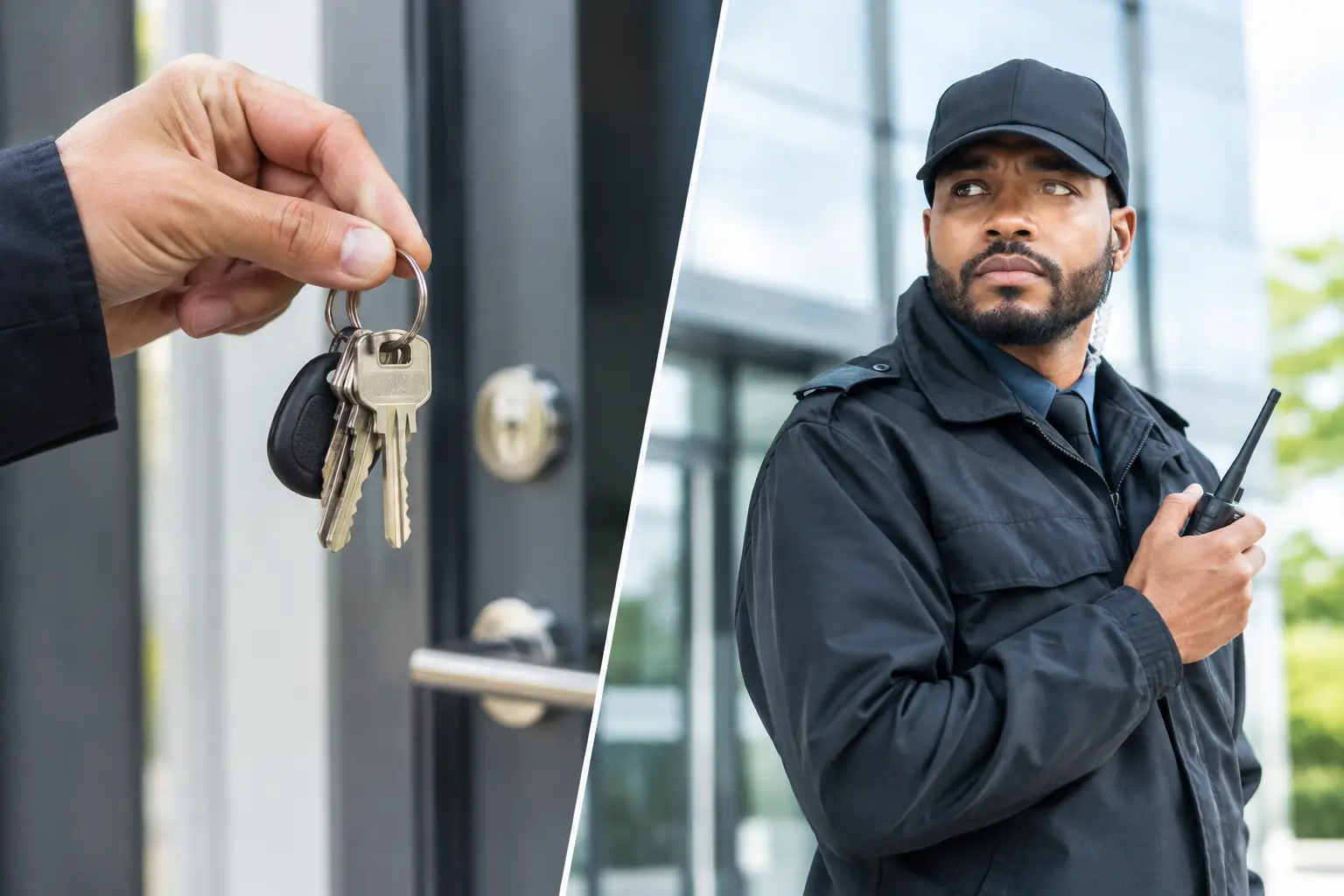
Security officers are particularly effective when a client needs consistent site knowledge. An officer who understands the building layout, keyholders, emergency arrangements, vulnerable access points and normal patterns of activity can identify anomalies quickly and escalate them through agreed procedures.
When a door supervisor is the better fit
Door supervisors are trained for environments where interaction with members of the public can be more unpredictable. Their work often centres on admission control, queue management, checking identification, refusing entry where necessary and helping prevent disorder from developing.
This is why door supervision is associated with bars, clubs and other licensed venues. However, the role is not limited to nightlife. Door supervisors may be deployed at conferences, concerts, sporting fixtures, private functions, retail launches and high-footfall corporate events where crowd dynamics create a different level of operational risk.
Their licence includes training in physical intervention. That does not mean physical intervention should be the default response. Effective door supervision is built on observation, communication, early intervention and proportionate decision-making. Physical action is a last resort, only where lawful, necessary and reasonable.
For an event organiser, this capability can be important. A team may need to deal with overcrowding at an entrance, a refused guest, an intoxicated attendee or a dispute that risks affecting others. Door supervisors bring training and experience suited to managing those situations while protecting the wider event environment.
Licensing matters, but so does the assignment
An SIA Door Supervisor licence allows the holder to carry out security guarding activities as well as door supervision. An SIA Security Guard licence does not permit an officer to undertake door supervision duties at licensed premises.
That difference is significant, but it should not lead to automatic over-specification. Using door supervisors for every assignment may add cost without improving the service. Equally, placing security officers into an environment that requires door supervision capability can expose the client to compliance and operational risk.
The assignment should be based on the actual duties, not just the job title used on a rota. Consider what the officer will be doing during normal conditions and what they may reasonably need to manage when circumstances change. A quiet reception role can become more complex if the site hosts late events, serves alcohol or receives a high volume of public visitors.
A professional provider should assess the location, hours, footfall, licensing position, asset profile, incident history and emergency arrangements before recommending a deployment model.
Choosing the right role for your site or event
The most useful question is not, “Which role is better?” It is, “What risks must this person control?”
For offices, logistics facilities, industrial units, residential developments, construction sites and vacant properties, security officers are often the most appropriate starting point. Their responsibilities can be built around patrol routines, access management, asset protection and rapid escalation to keyholders, mobile response teams or emergency services.
For licensed venues and public events, door supervisors are generally more suitable where there is a foreseeable need to manage admission, queues, challenging behaviour or crowd movement. Their training supports an operational approach that prioritises calm control and the safety of all attendees.
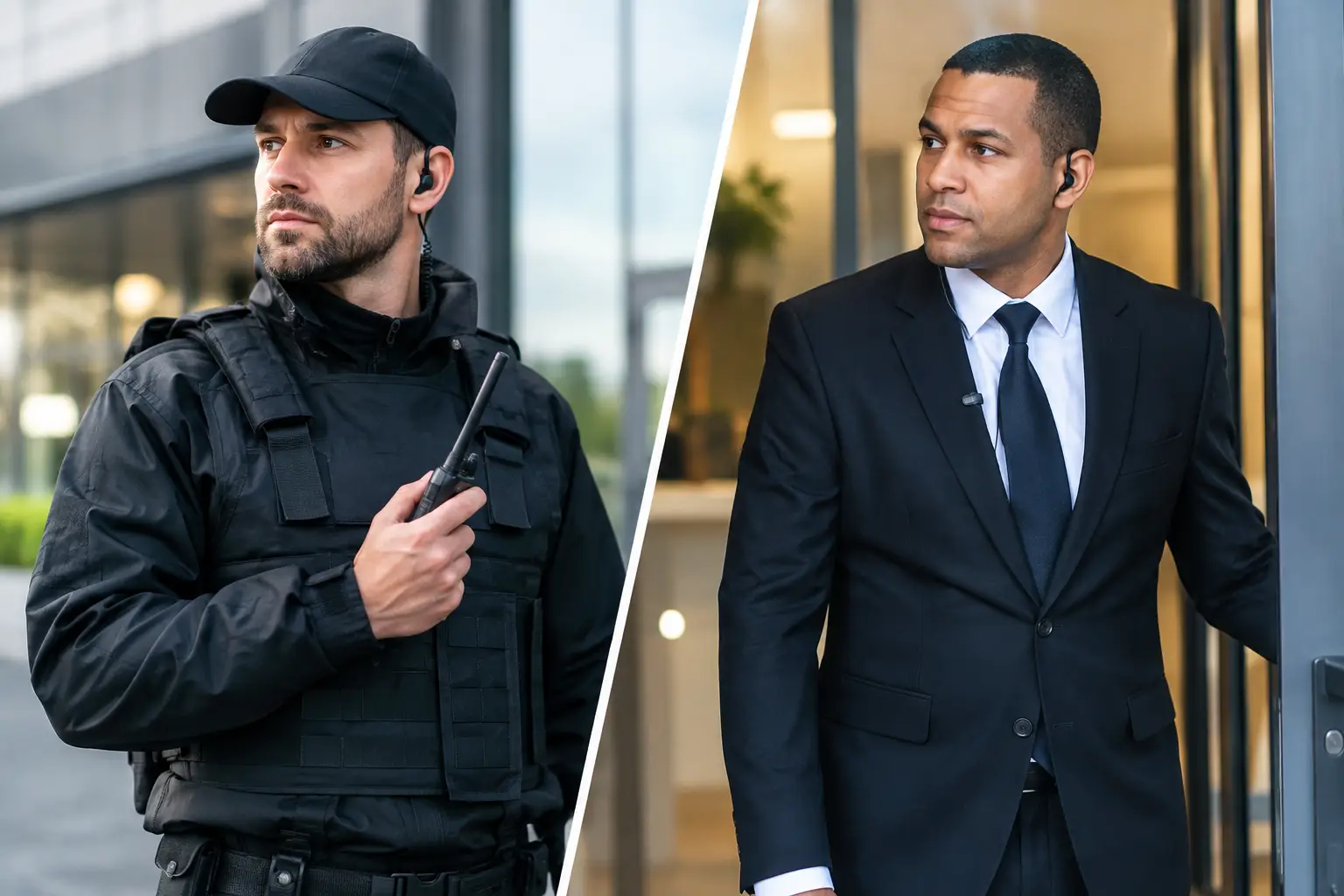
Some locations need both. A large event may require door supervisors at public entrances and within high-footfall areas, supported by security officers managing vehicle access, back-of-house routes, equipment areas and overnight protection. A mixed team can provide stronger coverage because each role is positioned where it delivers the greatest value.
Beyond the licence: standards that affect performance
A licence is essential, but it is only one part of a reliable security service. The quality of the officer, site instructions, supervision, communication and reporting arrangements has a direct impact on outcomes.
Clients should expect personnel who are briefed on the assignment, presented professionally and able to communicate clearly with staff, visitors, contractors and emergency responders. They should understand escalation routes, preserve accurate records and know when an issue requires support rather than attempting to manage it alone.
For multi-site businesses, consistency matters just as much as individual capability. Clear post orders, digital reporting, operational oversight and responsive management help maintain standards across offices, estates, depots and temporary projects. This is especially valuable where risks change by location or time of day.
Technology can strengthen the deployment as well. CCTV, access control, lone-worker monitoring, alarm systems and mobile response arrangements give on-site personnel better information and a faster route to assistance. Technology should support trained people, not be treated as a replacement for visible, accountable security.
A tailored deployment delivers better protection
The strongest security programmes begin with an honest assessment of the operational requirement. A facilities manager protecting a headquarters may need a security officer with concierge capability. An event organiser may need door supervisors who can manage entry and crowd safety. A property portfolio may require both, alongside mobile patrols, key holding and alarm response.
Chevron Security plans coverage around the risks facing the site, the people using it and the response required when an incident occurs. This avoids a one-size-fits-all approach and ensures that licensing, training and deployment all support the same objective: keeping operations safe, secure and running as intended.
The right security professional should give your team confidence without creating unnecessary friction for legitimate visitors, staff or customers. When the role matches the risk, security becomes a controlled part of the operation rather than a reactive response to its failures.