

A waking watch is not a standard security measure for every block of flats. It is a temporary life-safety arrangement used where a building’s fire precautions cannot reliably support the agreed evacuation strategy. For property managers asking who needs waking watch, the answer begins with a competent assessment of the building’s specific fire risk, not its height, location or occupancy alone.
The purpose is straightforward: trained personnel patrol the building continuously, identify signs of fire or smoke, raise the alarm and support the evacuation procedure without delay. It can provide critical interim protection while defects are investigated or remedial works are completed, but it should never become a substitute for resolving underlying fire-safety issues.
Who needs waking watch?
Waking watch may be required for residential buildings where there is a material fire-safety concern and the existing alarm, detection or evacuation arrangements are not considered sufficient. This most often affects blocks of flats, high-rise residential developments, mixed-use buildings and some student accommodation or supported-living settings.
The decision should be informed by a suitable and sufficient fire risk assessment and, where required, specialist fire engineering advice. The responsible person, freeholder, managing agent or duty holder must understand both the risk identified and the temporary controls needed to manage it.
A waking watch is commonly considered where the agreed fire strategy requires a simultaneous evacuation, but the building does not have a reliable communal fire alarm system capable of alerting all residents promptly. It may also be needed where the existing stay-put strategy has been compromised by building defects or uncertainty around how fire could spread.
Every building is different. The appropriate response will depend on the construction, occupancy profile, fire strategy, escape routes, existing detection systems and the nature of any defects. A professionally managed waking watch should therefore form part of a documented interim plan, with clear responsibilities and regular review dates.
Situations that can lead to a waking watch
External wall concerns are one of the best-known triggers. Where combustible materials, defective cladding systems, cavity barriers or façade construction create uncertainty about external fire spread, a building may need enhanced temporary arrangements while investigations and remediation take place.
However, façade issues are not the only reason. Waking watch can also be appropriate where compartmentation is inadequate, fire doors are missing or defective, escape routes are at risk of becoming unusable, or communal detection and warning systems do not meet the requirements of the building’s evacuation plan.
In practical terms, a waking watch may be considered where:
- a fire risk assessment identifies an intolerable or inadequately controlled risk;
- the current evacuation strategy cannot be delivered safely with the systems in place;
- a new or upgraded fire alarm system is being designed, installed or commissioned;
- remediation works are under way and temporary controls are required; or
- enforcement, insurer, fire-engineering or professional advice requires additional measures.
The presence of a waking watch does not, by itself, mean a building is unsafe to occupy. It means duty holders have recognised a particular risk and implemented an additional control while a more permanent solution is pursued. Residents and occupiers should receive clear, accurate information about what the arrangement means for them and what they should do if an evacuation is called.
What a waking watch team does
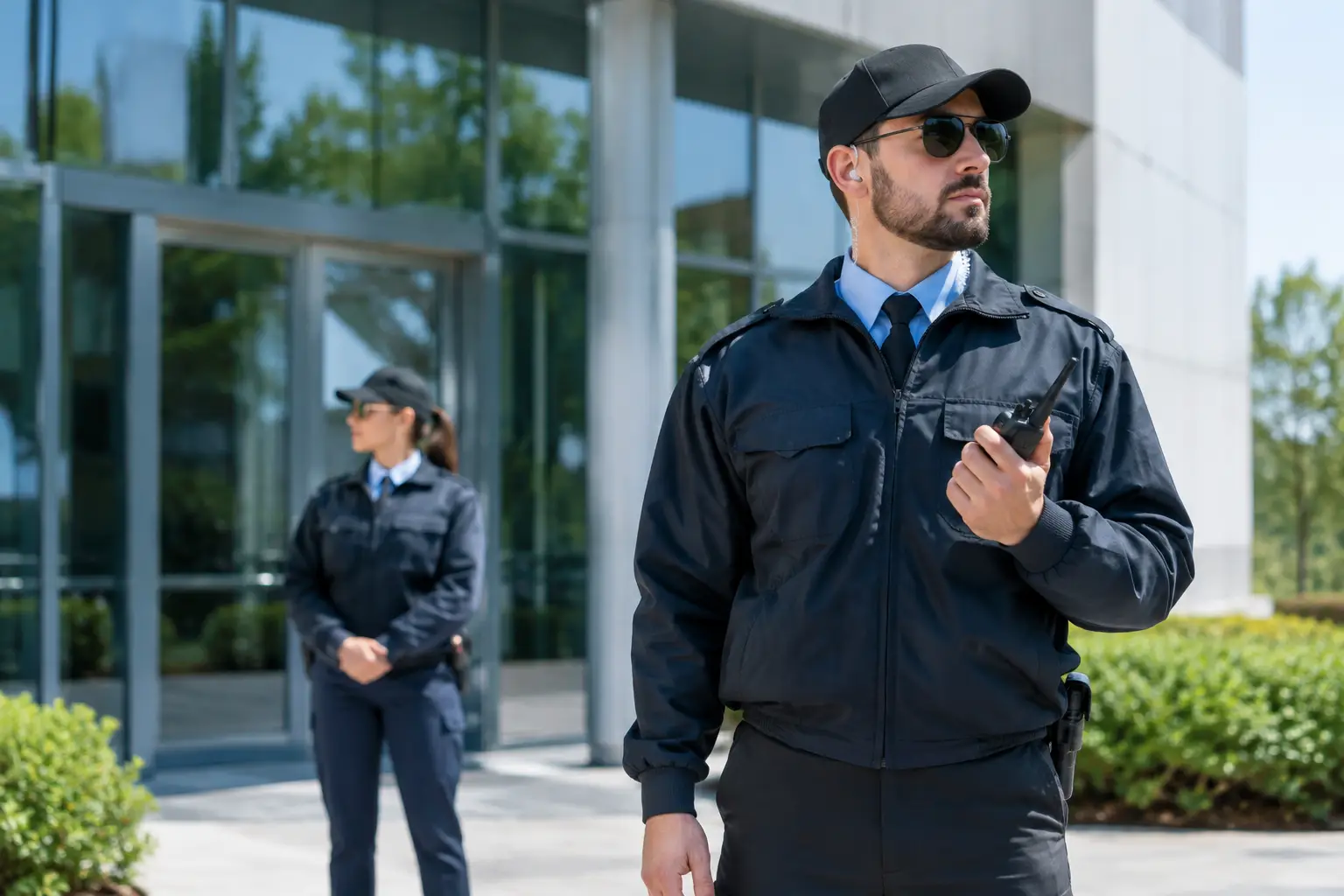
A waking watch team carries out scheduled patrols of relevant areas of a building, including corridors, stairwells, lobbies and other communal spaces identified in the fire-safety plan. Officers look for smoke, heat, fire, signs of forced entry into service areas, blocked escape routes and conditions that could affect safe evacuation.
If an incident is found, the team follows the agreed procedure. This may include calling the fire and rescue service, activating available warning systems, notifying residents or occupants, directing people to leave by safe routes and meeting emergency crews on arrival. Accurate records of patrols, incidents and escalations are essential, particularly where the arrangement is being monitored by managing agents, insurers or enforcing bodies.
A waking watch is distinct from routine manned guarding. Security officers may have useful site knowledge and strong incident-management skills, but waking watch staff must be briefed and deployed specifically around the building’s fire strategy. They need to understand patrol frequencies, escalation routes, communication methods, evacuation requirements and the limits of their role.
For larger or more complex sites, the plan may require more than one officer, different patrol zones, 24-hour coverage or a dedicated supervisor. Staffing levels should be based on the time needed to patrol the site effectively and respond without compromising coverage elsewhere in the building.
Who is responsible for arranging it?
The party responsible will vary according to ownership and management arrangements. In many residential settings, it may be the responsible person for the common parts, working with the building owner, freeholder, right-to-manage company or managing agent. For mixed-use premises, responsibilities may be shared across residential and commercial areas, making coordinated planning particularly important.
The duty holder should not treat waking watch as a procurement exercise alone. Before appointing a provider, they need a clear written scope that sets out why the watch is required, which areas are covered, the hours of operation, the evacuation approach, reporting arrangements and how performance will be reviewed.
Good governance matters because waking watch can be costly and disruptive if it continues longer than necessary. The arrangement should be reviewed whenever relevant works are completed, a new alarm system is commissioned, the fire risk assessment changes or the risk profile of the building is otherwise reduced. The objective is to maintain proportionate safety while progressing towards a permanent resolution.
When waking watch may not be the right answer
Not every fire-safety issue warrants a human patrol. In some properties, improving the detection and alarm system may offer a more reliable and sustainable solution. In others, targeted repairs to fire doors, compartmentation or escape routes may address the concern more directly. A temporary alarm system can sometimes provide an appropriate interim measure, subject to competent advice and the building’s circumstances.
There are trade-offs. Waking watch offers immediate human presence and can be mobilised quickly, which is valuable when a risk needs managing now. Yet it relies on disciplined staffing, clear procedures and continuous oversight. Technology-led measures may reduce long-term operating costs, but installation can take time and may not resolve every issue. The correct approach is the one that reflects the assessed risk and is accepted within the building’s fire-safety strategy.
Choosing a waking watch provider
A provider should be able to demonstrate more than the availability of officers. Duty holders need confidence that the team can work to site-specific instructions, maintain clear records and communicate professionally with residents, visitors, contractors and emergency services.
Look for a provider that takes time to understand the property, the assessment findings and the practical realities of the site. Officers should receive a thorough briefing before deployment, including familiarisation with access points, risers, plant areas, evacuation routes, assembly arrangements and any vulnerable occupants or operational constraints that have been identified.
The provider should also give managers visibility of delivery through patrol records, incident reports, escalation contacts and regular reviews. At Chevron Security, waking watch provision can be coordinated alongside wider manned guarding, concierge cover, key holding and alarm response where a property requires a broader protection plan.
A well-run waking watch gives duty holders time to put the right permanent measures in place without leaving residents exposed to avoidable uncertainty. Start with competent fire-safety advice, define the interim requirement precisely and appoint a team that treats every patrol as a life-safety responsibility.